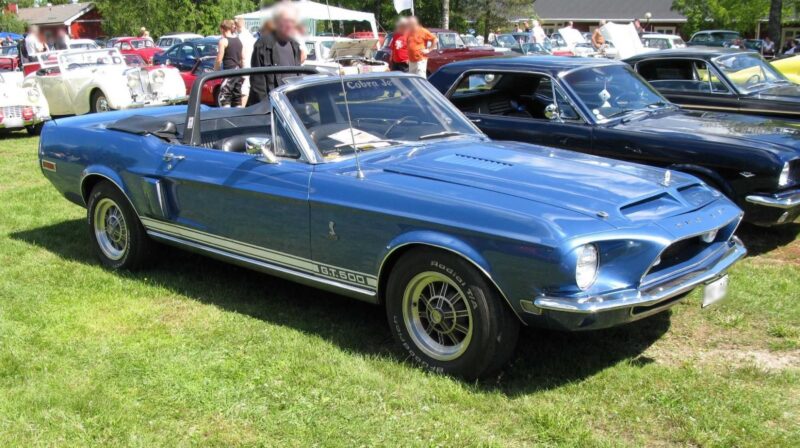
Some cars are built to perform. Others are built to be experienced. The 1968 Shelby GT350 convertible manages to do both, combining the raw capability of a classic muscle car with the immersive quality of open-air driving. It represents a moment in automotive history when performance was not just measured in numbers, but in how a car made you feel behind the wheel.
Even as the industry evolves toward electrification and digital systems, the appeal of vehicles like the GT350 convertible remains strong. They offer something increasingly rare—a direct, unfiltered connection between driver, machine, and environment.
The Unique Character of Convertible Muscle Cars
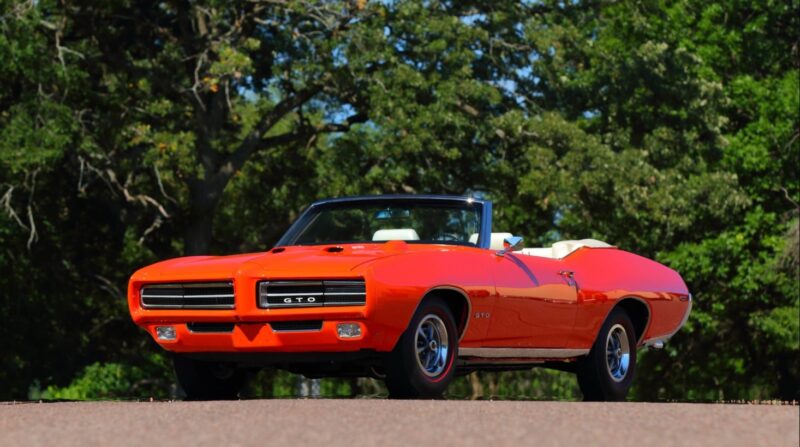
Convertible muscle cars occupy a distinctive place in automotive culture. While coupes and fastbacks emphasize structural rigidity and performance tuning, convertibles introduce an entirely different dimension. The absence of a fixed roof changes how the car interacts with its surroundings, creating a more immersive driving experience.
This added layer of engagement transforms even routine drives into memorable moments. The sound of the engine becomes more pronounced, the sense of speed feels heightened, and the connection to the road becomes more immediate.
The Shelby GT350 Convertible in Historical Context
Performance Meets Lifestyle
The GT350 was never just about performance—it was about redefining what a performance car could be. By offering a convertible variant, Shelby expanded the car’s appeal, blending capability with a sense of freedom that resonated with drivers.
This combination helped establish the Mustang as more than a performance machine. It became a cultural icon, representing a lifestyle as much as a category of vehicles.
A Lasting Influence on the Market
The impact of the Mustang continues to be felt today. As highlighted in this analysis of Mustang dominance, the model remains one of the most recognizable and successful performance cars worldwide.
This enduring popularity reinforces the importance of vehicles like the GT350 convertible, which helped shape the Mustang’s identity in its early years.
Recreating the 1968 Shelby GT350 Convertible Experience
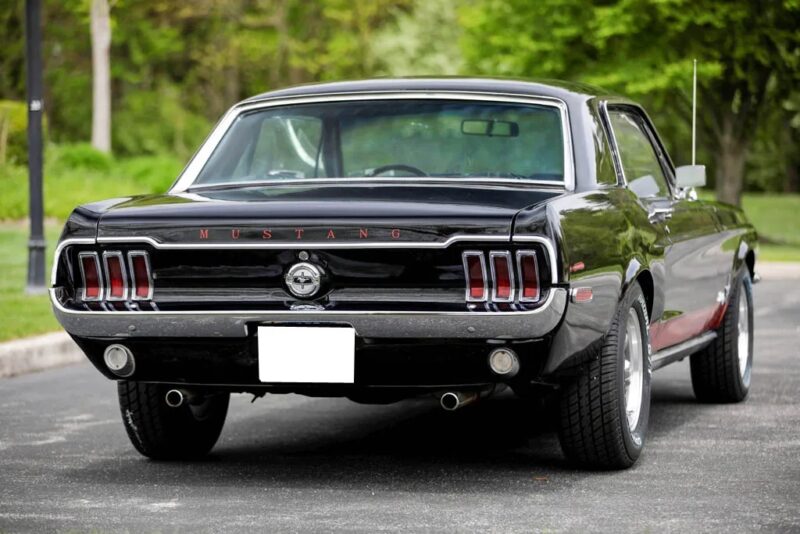
As original models become increasingly rare, modern builds have emerged as a way to preserve the driving experience while addressing the limitations of older vehicles. These builds aim to maintain the visual and emotional qualities of the original while incorporating improvements in reliability and performance.
For enthusiasts seeking that balance, a 1968 Shelby GT350 convertible build offers a refined interpretation. It captures the essence of the original design while integrating modern engineering that enhances usability.
This approach allows drivers to experience the car as it was intended, without the compromises that often come with vintage ownership.
Design and Engineering That Still Stand Out
Aesthetic Simplicity with Purpose
The design of the GT350 convertible reflects a philosophy of clarity and intention. Its lines are clean, its proportions are balanced, and its stance conveys performance without relying on excessive detail. This simplicity is part of what makes the car so enduring.
Modern vehicles often incorporate complex design elements, but the GT350 demonstrates that restraint can be just as effective. It communicates its purpose through proportion and presence rather than ornamentation.
Engineering That Enhances the Experience
Beyond its visual appeal, the GT350 convertible delivers a driving experience that feels cohesive and engaging. Its engineering focuses on balance, ensuring that power, handling, and control work together seamlessly.
This emphasis on integration continues to influence modern performance cars, highlighting the importance of designing systems that complement each other.
Modern Automotive Trends and Classic Relevance
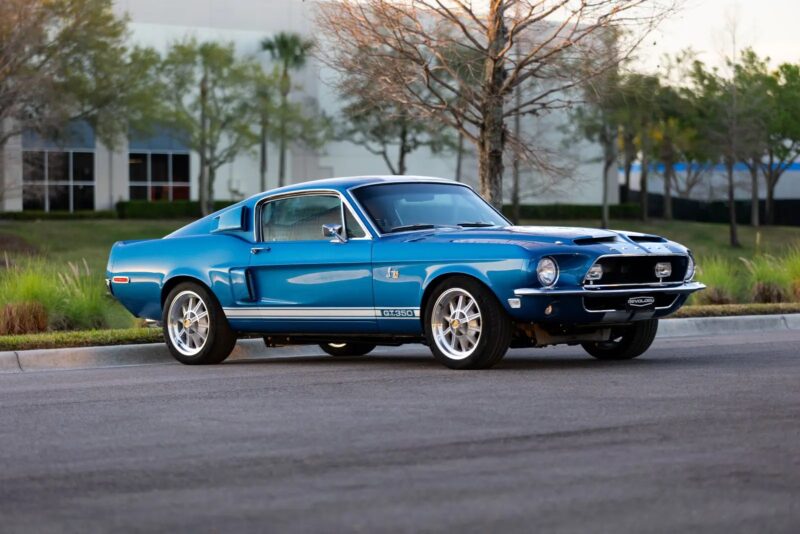
The automotive industry is undergoing significant change, with new technologies reshaping how vehicles are designed and built. Despite these developments, the principles established by classic muscle cars remain highly relevant.
At the same time, shifts in consumer preferences can lead to unexpected changes in the market. For example, discussions around the discontinuation of certain sedan models highlight how trends can evolve rapidly, leaving room for niche segments like classic-inspired vehicles to maintain their appeal.
This dynamic environment underscores the enduring value of cars that offer a distinctive driving experience.
Why the GT350 Convertible Still Matters
The continued relevance of the 1968 Shelby GT350 convertible lies in its ability to deliver something that modern vehicles often struggle to replicate: authenticity. It offers a driving experience that feels intentional, engaging, and deeply connected to the road.
For enthusiasts, this connection is what makes the car special. It transforms driving into an experience that goes beyond transportation, creating moments that are both memorable and meaningful.
As the automotive landscape continues to evolve, this focus on experience ensures that vehicles like the GT350 convertible will remain important.
Conclusion
The 1968 Shelby GT350 convertible represents a unique blend of performance and freedom. It captures the essence of an era when driving was as much about experience as it was about capability, offering a perspective that remains relevant today.
Through modern interpretations and continued enthusiasm, its legacy endures. It serves as a reminder that while technology may change how cars are built, the fundamental appeal of a well-designed, engaging vehicle remains constant—especially when the road ahead is open and the sky is within reach.